3D Rendered Axe: A Game Designer’s Essential Tool
Why a 3D Rendered Axe Makes a Difference in Game Design
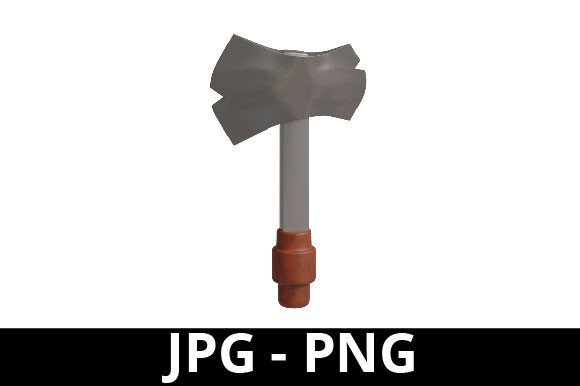
For game designers, the smallest details can elevate a project from generic to immersive. A 3D rendered axe might seem like a minor asset, but in the right context, it becomes a centerpiece of realism, storytelling, and gameplay mechanics. Whether you're building a lumberjack simulator, a brutal medieval combat game, or a survival title set in a forest, having a high-quality 3D axe model can significantly impact the visual and functional quality of your game.
These 3D axe assets are often delivered in a ZIP folder containing multiple file types like JPG and PNG, making them versatile for both 2D and 3D environments. Designed with realism in mind, they include textures and details such as rust, wooden handles, and steel blades, giving developers a wide range of customization options for different game settings.
Real-World Applications for a 3D Axe in Game Design
Let’s break down how a 3D rendered axe could be used across different genres and scenarios:
- Retro-Style Games: The axe’s rugged appearance and high-contrast textures make it ideal for pixel art or retro-styled games where clarity and visual impact matter more than photorealism.
- Survival and Crafting Games: In titles like Minecraft or Don't Starve, tools are central to gameplay. A detailed 3D axe can serve both as a functional tool and a visual indicator of the player's progress through upgrades and wear.
- Medieval Combat and RPGs: Whether used by a warrior in full armor or a rogue lumberjack turned mercenary, a high-quality axe model enhances combat animations and character identity.
- Woodworking Simulators: For niche but growing genres like woodcutting or carpentry simulations, a realistic 3D axe helps players feel the weight and precision of each swing.
Each of these use cases benefits from the inclusion of variations such as a rusty axe, a white axe, or a minimalist design, allowing developers to match the asset to the tone and style of their game world.
Who Benefits from a 3D Rendered Axe?
Game development teams come in all shapes and sizes—from solo indie developers to large studios. The 3D rendered axe is a versatile asset that fits into many workflows:
- Indie Developers: Smaller teams often lack the resources to create every asset from scratch. A pre-rendered axe saves time and money while still delivering professional results.
- AAA Studios: Even high-budget games use pre-made assets for background tools and equipment. A well-rendered axe can be customized and integrated into a larger asset pipeline.
- UI/UX Designers: In menus or inventory systems, the axe may appear as a thumbnail or icon. The included PNG files with transparent backgrounds are perfect for these purposes.
- 3D Modelers: Those building environments or character kits can use the axe as a reference or as part of a larger collection of tools and weapons.
Additionally, the axe’s versatility makes it useful for educational games, VR experiences, and even marketing materials like trailers or promotional art.
Choosing the Right 3D Axe for Your Project
Not all 3D rendered axes are created equal. Before downloading or purchasing, consider the following factors:
- File Types: Make sure the ZIP folder includes both JPG and PNG versions. PNGs are essential for cut-out designs and transparency effects, while JPGs may be better for textures or background visuals.
- Detail Level: A rusty axe or woodcutter axe might be perfect for a post-apocalyptic setting, while a white axe or minimalist axe could work better in a stylized or futuristic world.
- Usage Rights: Check the licensing terms. Some assets are for personal use only, while others can be used commercially. Always verify permissions before including them in a released game.
- Compatibility: Ensure the 3D model (if included) is compatible with your game engine. Popular engines like Unity and Unreal support a wide range of formats, but it’s always good to double-check.
Also, consider how the axe will be animated. A heavy, iron axe may need slower, more deliberate animations, while a lighter woodcutter’s axe might allow for faster, repetitive swings. The design of the handle and blade can influence how it’s wielded in-game.
How the 3D Rendered Axe Enhances Immersion
Immersion is key in game design, and even small tools like an axe can play a big role. For example, in a survival game, the sound of an axe hitting wood, the visual of splinters flying, and the gradual wear on the blade all contribute to a more believable world. A high-quality 3D rendered axe gives developers the visual fidelity needed to support those details.
Consider a game where the player must gather resources. A detailed axe model can help players distinguish between tools—perhaps a steel axe cuts faster than a stone axe, or a rusty axe is less effective and needs repair. These small differences can drive gameplay mechanics and encourage exploration or crafting.
Design Considerations and Limitations
While 3D rendered axes are incredibly useful, there are a few limitations and design considerations to keep in mind:
- Performance: High-resolution textures and complex 3D models can impact game performance, especially on mobile or older hardware. Always test assets in your target environment.
- Consistency: If you’re using multiple tools in your game, make sure the axe’s style matches the rest of your assets. A hyper-realistic axe might clash with cartoonish characters or environments.
- Customization: While pre-rendered assets save time, they may not perfectly fit every design need. Some developers may need to tweak textures, colors, or geometry to align with their vision.
- Scalability: Will the axe look good both up close and from a distance? Think about how it will be viewed in-game and whether the detail level supports that use case.
Despite these potential limitations, the flexibility and visual impact of a 3D rendered axe make it a worthwhile investment for most game projects.
Final Thoughts on Using a 3D Rendered Axe
Whether you're designing a gritty survival game, a fantasy RPG, or a relaxing woodcutting simulator, a 3D rendered axe can be more than just a tool—it can be a story element, a gameplay mechanic, and a visual anchor. With options like a rusty axe, wooden handle, or sharp steel blade, you have the flexibility to create a game that feels authentic and engaging.
As with any asset, the key is to choose wisely and integrate thoughtfully. But with the right 3D rendered axe in your toolkit, you’ll be well on your way to creating a more immersive and compelling game world.