Farmly Game UI Button Text Effect Font: Enhancing Visual Workflow in Game Design
When designing a game's user interface, every detail contributes to the overall experience. The Farmly Game UI Button Text Effect Font is not just a stylistic choice—it's a functional element that influences usability, engagement, and visual consistency. Understanding how to incorporate this font into a broader design workflow can streamline the development process and improve the end-user experience.
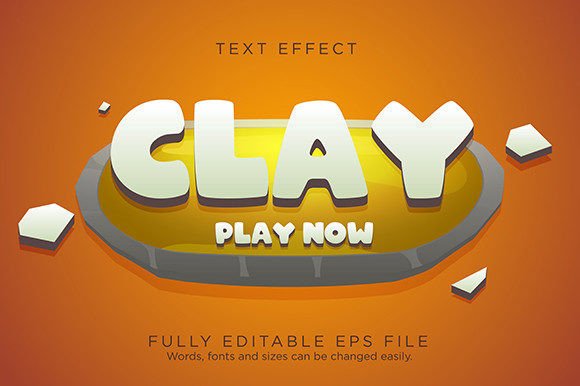
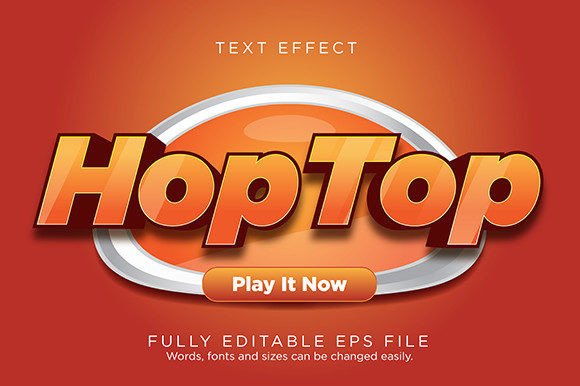
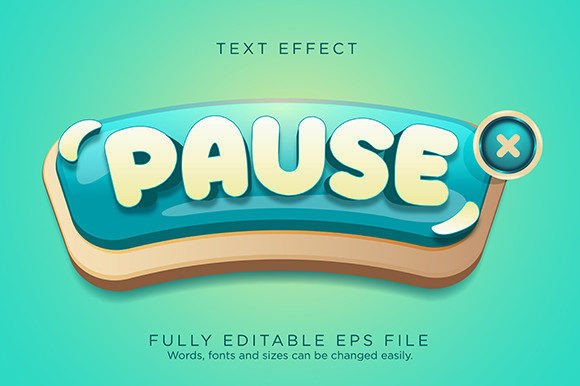
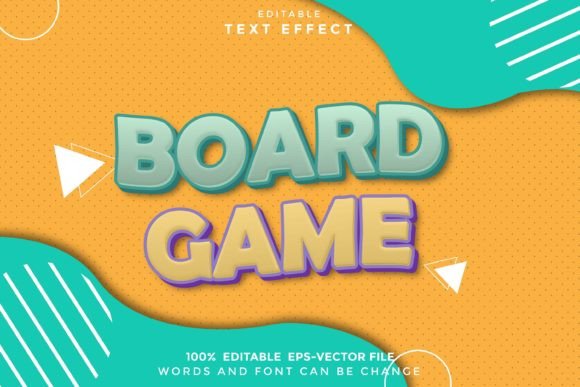
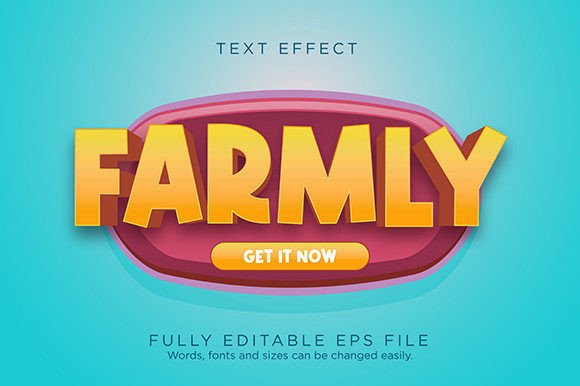
At its core, the Farmly Game UI Button Text Effect Font is a custom typeface designed specifically for game UI buttons. It features a clean, readable structure with subtle visual effects that enhance interactivity cues. Whether used in mobile games, browser-based titles, or desktop simulations, this font plays a role in guiding player attention and reinforcing intuitive navigation.
Integrating the Font into the Design Pipeline
Incorporating the Farmly Game UI Button Text Effect Font early in the design process ensures consistency across interface elements. It's most effective when integrated during the prototyping phase, allowing developers and designers to evaluate how the font interacts with other UI components such as icons, background textures, and color schemes.
- Pre-Development: Selecting the font before building interface mockups ensures alignment with the game's visual identity.
- During Development: Implementing the font into UI frameworks like Unity or Unreal Engine allows for real-time adjustments and testing.
- Post-Implementation: Conducting usability tests with real players helps assess how effectively the font communicates interactivity and function.
Designers should consider how the font scales across different screen sizes and resolutions. Ensuring legibility on both mobile and desktop platforms is crucial for maintaining accessibility and usability throughout the player base.
Compatibility and Workflow Considerations
One of the key aspects of working with the Farmly Game UI Button Text Effect Font is understanding its compatibility with design tools and development environments. Most modern game engines support custom fonts through straightforward integration steps. However, designers should verify that the font file is correctly formatted (e.g., TTF or OTF) and optimized for performance.
When working in teams, it's essential to standardize font usage across all design and development assets. This includes:
- Storing font files in a shared resource folder.
- Documenting usage guidelines in the project's design manual.
- Using version control systems to track changes and updates to font assets.
Collaboration tools like Figma, Sketch, or Adobe XD can be used to preview how the font appears in interface mockups before full implementation. This helps maintain alignment between visual design and technical execution.
Practical Implementation Tips
To get the most out of the Farmly Game UI Button Text Effect Font, consider the following best practices:
- Pair with Complementary Fonts: Use a secondary font for body text or descriptions to avoid visual overload while maintaining readability.
- Test in Context: Display buttons with the font in actual gameplay scenarios to assess contrast, spacing, and responsiveness.
- Optimize for Performance: Compress font files where possible and avoid unnecessary effects that could impact rendering speed.
- Use Consistent Styling: Apply the same font style across all interactive elements to reinforce UI consistency.
Designers should also consider how the font behaves with localization. If the game is intended for a global audience, ensure that the font supports a wide range of characters and maintains its visual appeal across different languages.
Long-Term Use and Maintenance
As projects evolve, maintaining consistency with the Farmly Game UI Button Text Effect Font becomes increasingly important. Regular audits of UI assets can help ensure that the font remains aligned with the game's evolving aesthetic and functional requirements.
When updating the font or applying new effects, it's important to:
- Keep a backup of the original font file.
- Document any modifications made for internal reference.
- Communicate changes to all team members involved in UI/UX design and development.
Long-term usability also depends on how well the font adapts to future design trends and platform updates. While the Farmly font offers a modern, stylized appearance, it's wise to periodically evaluate whether it continues to meet both aesthetic and functional goals.
Real-World Applications and Use Cases
Designers working on simulation games, farming titles, or educational games often find that the Farmly Game UI Button Text Effect Font aligns well with their project's tone. Its clean, approachable style makes it ideal for interfaces that prioritize clarity and user engagement without overwhelming the player.
For example, a farming simulation game might use the font for main menu buttons, inventory labels, and in-game prompts. The subtle visual effects—such as soft outlines or gentle gradients—help distinguish interactive elements from static content, improving overall usability.
Freelance designers and indie developers may also find the font useful when working on time-sensitive projects. Because it's pre-styled and optimized for UI use, it reduces the need for extensive customization, allowing creators to focus more on functionality and gameplay mechanics.
Conclusion and Integration Insights
The Farmly Game UI Button Text Effect Font is more than a decorative asset—it's a tool that supports efficient UI design and enhances player interaction. By integrating it thoughtfully into the development workflow, designers can improve both the visual appeal and functional clarity of their game interfaces.
Whether you're working solo or in a team environment, taking the time to evaluate how this font fits within your broader design strategy will pay off in terms of usability, consistency, and long-term maintainability. As part of a well-structured design process, the Farmly font can contribute meaningfully to the overall success of a game's user experience.