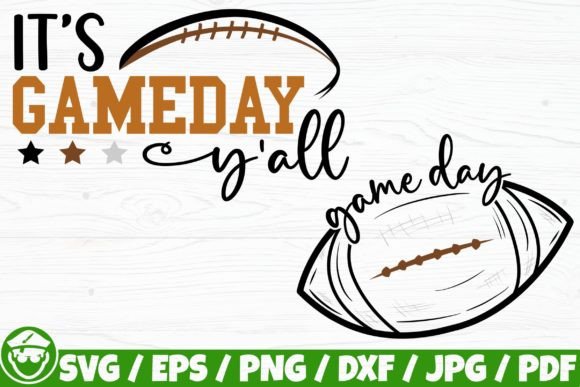
It's Gameday Y'All: Understanding Digital Design Files for Crafting and Creative Projects
If you've ever seen a product labeled "It's Gameday Y'All" and wondered what it includes, especially in terms of digital files, you're not alone. Whether you're a hobbyist, a small business owner, or just someone looking to personalize a gift, understanding the types of files included and how to use them can make all the difference in your creative process. This article breaks down what you get with such a digital download and how to make the most of it.
What's Included in the Download?
When you purchase a digital design like "It's Gameday Y'All," you typically receive a comprehensive package that supports a wide variety of uses. The standard download includes:
- 2 SVG files
- 2 DXF files
- 2 PDF files
- 2 PNG files (300ppi with transparent background)
- 2 JPG files
- 2 EPS files
Each of these file types serves a specific purpose and is compatible with different software and cutting machines. Let’s dive into what each file type means and why having multiple formats is beneficial.
Understanding File Types and Their Uses
SVG – Scalable Vector Graphics
SVG files are ideal for vector-based designs. They are scalable without losing quality, making them perfect for logos, icons, and intricate graphics. These files work seamlessly with cutting machines like Cricut Design Space and Silhouette Studio.
DXF – Drawing Exchange Format
DXF files are commonly used in CAD (Computer-Aided Design) programs. They’re especially useful for laser cutting and 3D modeling. If you're using software like Inkscape or CorelDraw, DXF files will be your go-to format.
PNG – Portable Network Graphics
PNG files offer high quality with transparent backgrounds, which makes them ideal for digital scrapbooking, web graphics, and overlays. The 300ppi resolution ensures clarity even when enlarged.
JPG – Joint Photographic Experts Group
JPG files are widely used for photographs and web images. They are compressed to reduce file size but may lose some quality in the process. These are best for digital use rather than print or cutting.
PDF – Portable Document Format
PDF files preserve formatting across different devices and software. They’re great for print projects and can be opened with Adobe Acrobat or even Microsoft Office with the right plug-in.
EPS – Encapsulated PostScript
EPS files are vector-based and often used for high-quality print graphics. They’re compatible with Adobe Illustrator and other professional design tools.
Which Software Can You Use?
One of the key advantages of this digital package is its compatibility with a wide range of design and crafting software. Here’s a list of supported platforms:
- Silhouette Studio (any version, including the basic free edition)
- Cricut Design Space
- Brother’s ScanNCut Canvas
- Sure Cuts A Lot (any version)
- Make the Cut
- Inkscape
- Photoshop
- Adobe Illustrator
- CorelDraw
- Adobe Acrobat
- Microsoft Office
Before downloading, make sure you have the appropriate software installed to open and edit the files you need. For instance, if you're using a Cricut machine, you’ll want to import the SVG or DXF file into Cricut Design Space. If you're designing for print, you might prefer working with PDF or EPS files in Adobe Illustrator.
Why Multiple File Types Matter
Having access to multiple file types gives you flexibility in how you use the design. For example:
- Use the PNG file to overlay text on a photo in Photoshop.
- Import the SVG file into Cricut Design Space to cut out a design for a t-shirt.
- Edit the PDF file in Adobe Acrobat to add it to a printable document.
- Scale the EPS file for large-format printing without losing quality.
This versatility ensures that no matter your project—whether it's digital, print, or craft-based—you have the right tool for the job.
How to Get Started with Your Design
Once you've downloaded the files, here's how to get started:
- Choose your software: Based on your project type, select the appropriate program. For example, use Cricut Design Space for cutting machines or Photoshop for digital editing.
- Locate the correct file: Open the folder and select the file type that matches your software. SVG and DXF files are typically best for cutting machines, while PNG and JPG are better for digital use.
- Import and adjust: Bring the file into your chosen software and resize or recolor as needed. Since SVG and EPS files are vector-based, they can be edited without losing clarity.
- Execute your project: Whether you're cutting vinyl, printing a design, or creating a digital graphic, follow the steps required by your software or machine.
Common Misconceptions About Digital Design Files
There are a few common misunderstandings about digital files that can trip up even experienced users:
- “All file types are the same.” Not true! Each file format has specific strengths and limitations. For example, PNG files have transparent backgrounds, while JPG files do not.
- “You can convert any file to any other format easily.” While some conversions are possible, they don’t always maintain quality. Converting a JPG to SVG, for example, requires tracing and may not yield perfect results.
- “You don’t need all these files.” While you may only use one or two, having access to all ensures you’re prepared for any future project needs.
Conclusion: Making the Most of Your Digital Design
The "It's Gameday Y'All" digital download is more than just a catchy phrase—it's a versatile toolkit for creators of all kinds. Whether you're crafting for fun, creating content for social media, or running a small business, understanding the included file types and their uses empowers you to bring your ideas to life with precision and creativity.
Remember, the key to success with digital designs is knowing which file to use and when. With this guide, you're now equipped to make informed choices and maximize the value of every digital download you own. Happy creating!