Life is a Game but Golf is Serious: Understanding the Mindset Behind the Sport
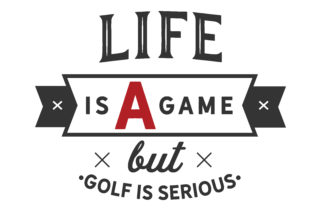
When someone says, “Life is a game but golf is serious,” they’re not just making a clever quip—they’re pointing to a truth many golfers know all too well. Golf isn’t just a pastime; it’s a discipline that demands focus, patience, and strategy. While life may allow for improvisation and second chances, a single misstep on the golf course can cost you strokes, confidence, or even a tournament.
This phrase resonates with players at all levels. Whether you're a weekend golfer or a seasoned pro, the seriousness of golf often contrasts sharply with the casual way people approach other aspects of life. But that seriousness can also lead to common missteps—especially when it comes to learning the game, choosing equipment, or even understanding how to approach the mental side of golf.
Misunderstanding the Game's Mental Demands
One of the most overlooked aspects of golf is the mental component. Many players focus heavily on physical technique—swing mechanics, grip, stance—while neglecting the psychological side. This can lead to inconsistency, frustration, and poor performance under pressure.
For example, a golfer might invest in the latest driver or take private lessons to fix a slice, only to find their game still lacks polish. The missing piece? Mental discipline. Golf is as much about mindset as it is about mechanics. Without confidence, focus, and emotional control, even the best equipment won’t save a round.
How to Improve Your Mental Game
- Practice visualization techniques before each shot
- Develop a consistent pre-shot routine
- Work with a sports psychologist or coach who specializes in mental performance
Understanding that golf is a serious mental challenge can help players avoid burnout and make smarter investments in their development.
Overlooking the Importance of Proper Equipment Fit
Another common mistake is assuming that expensive or popular equipment automatically equals better performance. In reality, golf clubs that aren’t fitted to your body type, swing speed, and playing style can do more harm than good.
Many beginners walk into a pro shop and buy a standard set because it’s on sale or because a friend recommended it. What they don’t realize is that off-the-shelf clubs may not match their height, grip size, or swing tempo. This can lead to poor contact, inconsistent ball flight, and unnecessary strain on the body.
What to Do Instead
- Get a professional club fitting before purchasing any major equipment
- Consider trying demo clubs before committing to a purchase
- Focus on quality over quantity—start with a manageable set and expand as needed
Remember, the goal isn’t to look like a pro—it’s to play like one. And that starts with gear that works for you, not against you.
Underestimating the Value of Proper Instruction
Many golfers try to teach themselves using YouTube videos or online forums. While these can be helpful tools, they’re no substitute for personalized instruction. Trying to correct a swing flaw without understanding its root cause can reinforce bad habits and even lead to injury.
For instance, if you're slicing the ball and watch a video that tells you to “close your stance,” but your real issue is an over-the-top swing path, you’ll only be masking the problem—not fixing it.
Getting the Most Out of Lessons
- Look for PGA-certified instructors with experience in your skill level
- Ask for video analysis to see what your swing actually looks like
- Commit to a series of lessons rather than a one-off session
Think of golf instruction like hiring a personal trainer—it’s an investment in long-term improvement, not a quick fix.
Misjudging Course Conditions and Strategy
Too often, players approach every course the same way, regardless of layout, terrain, or weather. This can lead to poor decision-making, unnecessary penalties, and higher scores.
For example, a player might try to drive the green on a par-4 simply because they’ve done it before, without considering wind direction, green firmness, or hazard placement. The result? A ball in the water and a triple bogey.
Understanding that “life is a game but golf is serious” means recognizing that each round requires thoughtful strategy, not just raw power.
Better Course Management Practices
Here are a few practical tips to improve your course strategy:
- Walk the course or use a GPS rangefinder to understand distances
- Study the layout before teeing off—know where the hazards are
- Play to your strengths—don’t force risky shots unless the reward clearly outweighs the risk
Ignoring the Importance of Physical Fitness
Golf may not be as physically demanding as running a marathon, but it still requires flexibility, balance, and core strength. Players who neglect their physical conditioning often struggle with consistency, endurance, and injury prevention.
Imagine trying to maintain a smooth swing after walking 18 holes while fatigued. Or attempting to rotate fully with tight hips or a weak core. These issues can creep up over time and significantly impact your game.
Building a Golf-Friendly Fitness Routine
Consider incorporating these elements into your weekly routine:
- Stretching and mobility exercises for hips, shoulders, and spine
- Core strengthening workouts (planks, medicine ball rotations)
- Balance drills to improve stability during the swing
You don’t need to be an athlete to play good golf, but being in decent shape will definitely help you play better and more consistently.
Choosing the Wrong Playing Partners
Believe it or not, the people you play with can influence your performance and enjoyment of the game. Playing with others who are significantly better or worse than you can create pressure, frustration, or unrealistic expectations.
If you're a mid-handicap player constantly playing with low handicappers, you might feel rushed or discouraged. On the flip side, if you're a skilled golfer playing with beginners, you might get frustrated with slow play or inconsistent pace.
How to Choose the Right Golf Group
- Look for players at a similar skill level or with a similar pace of play
- Join local leagues or clubs that match players based on ability
- Be open to playing with new people—but set expectations early
Golf is a social game, but it’s also serious business when you’re trying to improve and enjoy your time on the course.
Final Thoughts
“Life is a game but golf is serious” isn’t just a catchy phrase—it’s a mindset. When you approach golf with the same casual attitude you might take toward other parts of life, you risk missing the depth, discipline, and dedication the sport requires.
By avoiding common mistakes—like neglecting the mental game, buying the wrong equipment, skipping proper instruction, or ignoring course strategy—you’ll not only enjoy golf more, but you’ll also improve faster and play smarter.
So the next time you’re out on the course, remember: golf isn’t just a game. It’s a challenge, a teacher, and sometimes, a mirror reflecting how seriously you take your own growth—on and off the fairway.