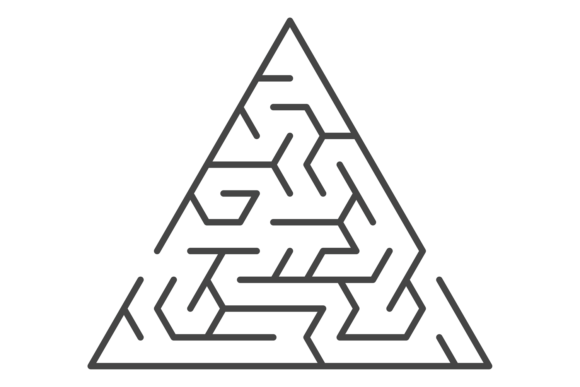
Maze Game Template: The Right Way Exercise for R
Whether you're a game developer, educator, or content creator, the Maze Game Template offers a flexible and engaging way to build interactive experiences. Specifically designed for those using the R programming language, this template provides a structured yet customizable foundation for creating maze-based puzzles, logic games, or educational tools. It’s more than just a visual layout — it's a way to turn abstract logic into an interactive experience that users can explore, solve, and enjoy.
What Is the Maze Game Template in R?
The Maze Game Template in R is a pre-built framework that allows developers to generate maze-based games or exercises using the R programming language. While R is often associated with statistical computing and data visualization, it can also support interactive game development through packages like shiny, ggplot2, and custom scripts. This template typically includes pre-coded functions for maze generation, player movement, scoring, and visual rendering, making it easier to focus on gameplay mechanics rather than building everything from scratch.
When and Why People Use Maze Game Templates
Maze games have enduring appeal because they challenge spatial reasoning, problem-solving, and decision-making — skills that are valuable in both personal and professional contexts. Developers and educators use maze templates to create:
- Interactive learning modules for logic and math
- Engaging content for websites or apps
- Training simulations for decision-making under pressure
- Fun side projects to showcase coding skills
For example, a teacher might use a maze game to help students visualize pathfinding algorithms. A marketer could embed a maze-based quiz on a landing page to increase user interaction. A freelance developer might build a maze game as a portfolio piece to demonstrate proficiency in R and game logic.
1. Educational Tools for STEM Learning
Many educators are turning to gamified learning tools to make complex subjects more approachable. A maze game built in R can help students understand pathfinding algorithms like A*, breadth-first search, or depth-first search by allowing them to interact with visual representations of these concepts. Teachers can embed these games in lesson plans or share them as interactive homework assignments.
2. Corporate Training and Decision Simulations
Businesses often use scenario-based training to teach employees how to handle complex or high-pressure situations. A maze game can simulate decision paths where each turn represents a business choice, and the goal is to reach the most optimal outcome. For example, a customer service training module might use a maze to represent different customer interaction paths, with the goal of resolving issues efficiently.
3. Interactive Marketing and User Engagement
Marketers are always looking for ways to increase time on site and improve user interaction. A maze game embedded on a landing page or social media post can serve as a fun, branded challenge that users want to complete and share. For instance, a company promoting a new product might create a themed maze where users navigate through different features to reach the "finish line" — which could be a discount code or exclusive content.
4. Personal Projects and Developer Portfolios
Developers often use maze games as side projects to demonstrate their coding skills. Using R to build a maze game shows versatility beyond traditional data science applications. It also allows developers to explore game logic, user interface design, and performance optimization in a language not typically associated with gaming — which can make their portfolio stand out.
Who Benefits from Using the Maze Game Template in R?
The beauty of the Maze Game Template lies in its flexibility. It can be adapted by various users for different purposes:
- Students and Educators: Use it as a hands-on way to explore algorithms and logic.
- Freelancers and Developers: Showcase technical creativity and problem-solving skills.
- Marketers and Content Creators: Add interactive elements to campaigns or blogs.
- Game Designers: Experiment with maze mechanics in a non-traditional environment like R.
Each group benefits differently. A student might gain a deeper understanding of computational logic. A marketer might see higher engagement metrics. A developer might expand their technical portfolio. The key is to match the template's capabilities with the user's specific goals.
How to Choose the Right Maze Game Template for Your Needs
Not all maze templates are created equal. Before downloading or building one, consider the following factors:
- Customization Options: Can you easily modify maze size, difficulty, and visuals?
- Integration with R Packages: Does it work well with shiny for web apps or ggplot2 for visuals?
- User Experience: Is the interface intuitive and mobile-friendly?
- Performance: How quickly does the maze load and respond to user input?
- Documentation: Is there clear guidance on how to modify or extend the template?
If you're planning to use the maze in a public-facing app or website, look for templates that are responsive and compatible with web frameworks. If it's for educational use, prioritize clarity in the code and ease of explanation.
Getting Started with the Maze Game Template in R
For those new to using R for game development, the learning curve might seem steep — but it’s entirely manageable. Start by exploring open-source maze templates on platforms like GitHub or R-bloggers. Many of these templates come with sample code, visual previews, and instructions for setup.
Once you’ve downloaded a template, you can customize it by adjusting variables like maze dimensions, color schemes, and game rules. If you're comfortable with R, you can even add new features like scoring systems, timers, or multiplayer functionality using shiny for real-time interaction.
Final Thoughts
The Maze Game Template in R isn’t just a fun project — it’s a practical tool that bridges creativity and logic. Whether you're building an educational aid, a marketing gimmick, or a personal challenge, this template offers a solid foundation to start from. The key is to match the template’s features to your goals and not be afraid to experiment. With a little customization, you can turn a basic maze into a powerful interactive experience that engages, educates, and entertains.