Streamlining Creativity: How Video Game Design Onboarding App Pages Are Reshaping Development Workflows
Modern game development is no longer just about coding and art assets. It’s about crafting seamless, intuitive experiences from the very first interaction. This is where Video Game Design Onboarding App Pages come into play. These carefully designed mobile app screens serve as the first point of contact between a game and its creators, guiding developers, artists, and designers through the initial setup and conceptualization stages with clarity and efficiency.
Whether you're a solo indie developer or part of a growing studio, the onboarding experience of your design tools can significantly impact productivity and creativity. A well-structured onboarding flow not only accelerates the learning curve but also minimizes friction, allowing creators to focus more on building engaging game worlds and less on figuring out how to use the tools behind them.
The Role of Onboarding in Modern Game Development Tools
As the gaming industry continues to evolve, so too do the tools and platforms used to create games. With more people entering the field—freelancers, hobbyists, educators, and entrepreneurs—there's a growing demand for intuitive, visually guided onboarding experiences. This is especially true for mobile-based design tools, where screen real estate is limited and user attention spans are even shorter.
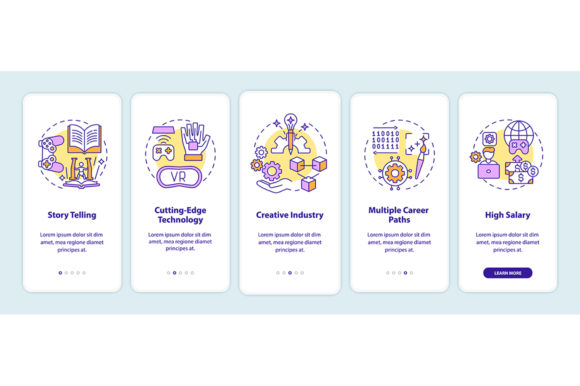
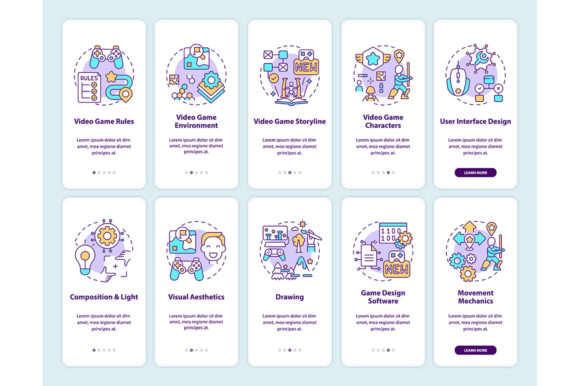
The Video game design onboarding mobile app page screen with concepts set is a response to this shift. It provides a structured yet flexible framework for introducing users to complex design workflows through visual storytelling, step-by-step guidance, and interactive prompts. These pages aren’t just instructional—they’re part of the creative process itself.
Why Visual Walkthroughs Matter
Consider the challenge of explaining a game environment setup to someone who’s just starting out. Words alone can be ambiguous or overwhelming. That’s where video game environment walkthrough 10 steps graphic instructions come in. By breaking down complex processes into digestible visual sequences, creators can quickly grasp spatial layouts, asset integration, and interaction logic without needing to parse lengthy documentation.
These visual walkthroughs are especially effective when delivered through mobile interfaces. Whether in a café, on a commute, or during a break between meetings, today’s creators expect tools that adapt to their lifestyle. Mobile-first onboarding meets them where they are—on their phones—with a format that’s both familiar and functional.
Designing for Clarity and Consistency
Behind every great onboarding experience is a well-thought-out UI framework. The UI vector template with RGB color illustrations included in the downloadable package offers a scalable, high-fidelity solution for developers and designers looking to implement professional-grade onboarding flows. With support for EPS, JPG, PNG, SVG, and AI formats, these templates are versatile enough for both prototyping and final implementation across platforms.
Color plays a critical role in usability. The RGB-based illustrations ensure consistency across screens, making it easier to maintain visual harmony even when users switch devices or operating systems. This attention to detail isn’t just aesthetic—it directly impacts how users perceive the professionalism and reliability of a tool.
From Concept to Implementation: Practical Applications
Let’s look at a realistic example: a mobile app designed to help creators build 2D platformer environments. Without a structured onboarding flow, users might struggle with setting up layers, placing assets, or configuring physics properties. With the right Video Game Design Onboarding App Pages, however, each step is clearly visualized and contextualized.
- A welcome screen introduces the app’s purpose and core features
- Step-by-step walkthroughs guide users through environment setup
- Interactive prompts help them place objects and define behaviors
- Visual cues reinforce best practices and warn of common pitfalls
- Progress indicators help users track their setup process
This isn’t just helpful for beginners—it streamlines the workflow for experienced developers who want to jump into creation without wading through menus or tutorials. It also reduces the need for extensive customer support, as users are less likely to get stuck during the setup phase.
How Onboarding Design Reflects Changing User Expectations
Today’s users expect digital tools to be intuitive, responsive, and immediately useful. This expectation has been shaped by years of interacting with consumer apps that prioritize onboarding as a core part of the user experience. In the game development space, this shift means that tools can no longer afford to have steep learning curves or poorly explained features.
Instead, the best tools are those that guide users through the process with minimal friction. The Video game design onboarding mobile app page screen with concepts set is a direct response to this trend. It allows developers to focus on the creative aspects of their work while reducing the cognitive load associated with mastering new tools.
Supporting Diverse Workflows and Creative Practices
Game development is no longer confined to large studios with dedicated teams. Independent creators, educators, and even marketers are now using game design tools to prototype ideas, teach digital literacy, or engage audiences in interactive storytelling. This diversity of use cases means that onboarding must be adaptable to different skill levels and goals.
The modular nature of the video game environment walkthrough 10 steps graphic instructions makes them ideal for customization. Whether you're teaching game design in a classroom, building a tool for professional developers, or creating a casual design app for hobbyists, these templates can be tailored to fit your audience’s needs.
Business and Educational Value
For businesses developing game design tools or educational platforms, investing in high-quality onboarding experiences isn’t just a design decision—it’s a strategic one. A well-designed onboarding process can:
- Increase user retention by reducing early drop-off
- Lower support costs by minimizing confusion
- Enhance brand perception through polished, professional visuals
- Enable faster onboarding of new team members or collaborators
- Support scalable learning across different user groups
From a business standpoint, this translates into higher conversion rates, improved customer satisfaction, and stronger long-term engagement. For educators, it means students can focus more on learning design principles and less on figuring out how to use the tools.
What the Future Holds
Looking ahead, we can expect onboarding experiences to become even more integrated with the tools they introduce. Advances in AI, augmented reality, and interactive learning will likely shape the next generation of onboarding flows. However, the foundation will remain the same: clear, visual, and context-aware guidance that empowers users to create without friction.
The UI vector template with RGB color illustrations included in the downloadable package represents a forward-looking approach to onboarding. It’s built with scalability and adaptability in mind, ensuring that it can evolve alongside emerging trends in mobile design and game development workflows.
Final Thoughts
In an industry where creativity and efficiency go hand in hand, the importance of intuitive onboarding can’t be overstated. The Video Game Design Onboarding App Pages offer a practical, visually engaging way to guide creators through the early stages of game development. Whether you're designing tools for professionals, educators, or hobbyists, investing in a strong onboarding experience is one of the most effective ways to support your users and enhance your product’s value.