Understanding the Value of Tic Tac Toe Game Board SVG for Designers and Creators
For designers, educators, and small business owners looking to create engaging digital or print content, the Tic Tac Toe Game Board SVG offers a versatile and scalable solution. This vector-based design format allows for crisp visuals across any size or medium, making it ideal for everything from classroom activities to branded merchandise. However, while the format itself is powerful, many users overlook key considerations that can impact the quality and usability of their final product.
Common Mistakes When Choosing and Using Tic Tac Toe Game Board SVG Files
One of the most frequent errors is downloading a file without verifying its format compatibility. While SVG files are excellent for scalability, not all platforms support them. For example, certain sublimation software or older graphic design tools may require EPS or PNG formats instead. Assuming that one file type fits all can lead to wasted time and frustration.
Another oversight is not checking the resolution of included raster formats like JPEG or PNG. Although the SVG and EPS files are vector-based and infinitely scalable, the PNG and JPEG files must be high resolution—ideally 300 dpi—to maintain print quality. Using a low-resolution image for a large print job can result in pixelation and a visibly unprofessional outcome.
Why File Types Matter in Your Tic Tac Toe Game Board SVG Package
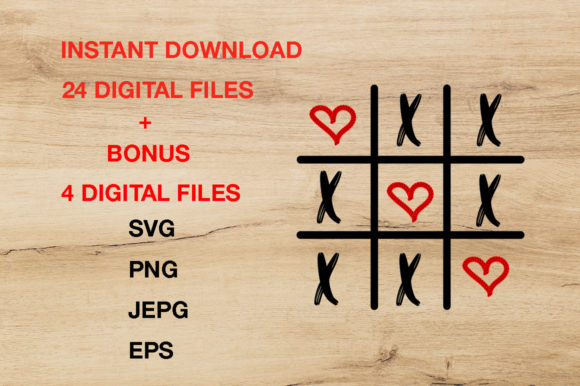
A well-rounded design package includes multiple file types to accommodate various use cases. The Tic Tac Toe Game Board SVG package typically includes SVG, EPS, PNG, and JPEG files, each serving a specific purpose:
- SVG – Best for web use and resizing without quality loss
- EPS – Ideal for professional print design and compatibility with vector editing software
- PNG – Transparent background option for digital overlays or logos
- JPEG – Suitable for general image editing and print-ready applications
Not understanding when to use each format can lead to unnecessary workarounds or poor visual results. For instance, using a JPEG file for a logo that needs resizing across multiple marketing materials may result in inconsistent clarity, whereas an SVG or EPS file would scale seamlessly.
Overlooking Licensing and Usage Rights
Many buyers assume that once they've downloaded the Tic Tac Toe Game Board SVG file, they have full rights to use it commercially. However, this isn't always the case. Some digital assets come with limited licenses that restrict resale, mass distribution, or modification. This can be a critical issue for entrepreneurs or marketers who plan to use the design in merchandise, apps, or advertising.
To avoid legal complications, always read the licensing terms included with your download. If you're planning to use the design in a commercial setting—such as printing on t-shirts, mugs, or digital products—ensure the license explicitly permits that usage.
Practical Tips for Getting the Most from Your Tic Tac Toe Game Board Vector Files
Before purchasing or downloading a Tic Tac Toe game board design, consider the following checklist to ensure you're making the right choice:
- Confirm file types included – Make sure the package offers SVG, EPS, PNG, and JPEG files for maximum flexibility.
- Check resolution of raster files – PNG and JPEG files should be at least 300 dpi for print use.
- Verify scalability – Vector files (SVG and EPS) should scale without distortion, especially if you're using them in different sizes across materials.
- Review licensing terms – Ensure the design can be used for your intended purpose, especially if it's for commercial use or resale.
- Test compatibility – Open the file in your preferred design software to ensure it loads correctly and allows for editing if needed.
Real-World Applications and How to Avoid Common Pitfalls
Let’s say you're a teacher creating a themed classroom activity and decide to use a Tic Tac Toe Game Board SVG for printable game cards. If you download only the SVG file and attempt to print it without converting to a compatible format, you may run into issues with your printer not recognizing the file. A better approach would be to use the included PNG or JPEG files for direct printing or convert the SVG to a PDF using a design tool like Adobe Illustrator or free alternatives like Inkscape.
Similarly, if you're a small business owner selling custom phone cases and want to incorporate a tic-tac-toe design, using a low-resolution JPEG file may look fine on a digital mockup but appear blurry when printed. Always opt for the highest resolution file available and test a small print run before mass production.
Choosing the Right Tic Tac Toe Game Board SVG Package
When browsing for a Tic Tac Toe Game Board SVG set, look for packages that offer variety and clarity. A quality bundle typically includes six SVG files, six EPS files, six PNGs with transparent backgrounds, and six JPEG digital papers (12x12 inches at 300 dpi). Some may also include bonus files like additional SVG or JPEG formats for expanded use.
Be wary of vague product descriptions that don’t clearly list the file types, resolutions, or usage rights. Transparency in these areas is a sign of a reputable seller and helps you avoid future complications.
Final Thoughts: Making Smart Design Choices
The Tic Tac Toe Game Board SVG is more than just a nostalgic game layout—it's a flexible design asset that can enhance your digital and print projects when used correctly. By understanding the nuances of file types, resolutions, and licensing, you can avoid common missteps and ensure your designs look professional and function as intended.
Take the time to review your download package before purchase, test files when possible, and choose designs that offer the flexibility and quality you need for your specific application. With the right Tic Tac Toe Game Board vector files in hand, you'll be equipped to create engaging, polished content that stands out.